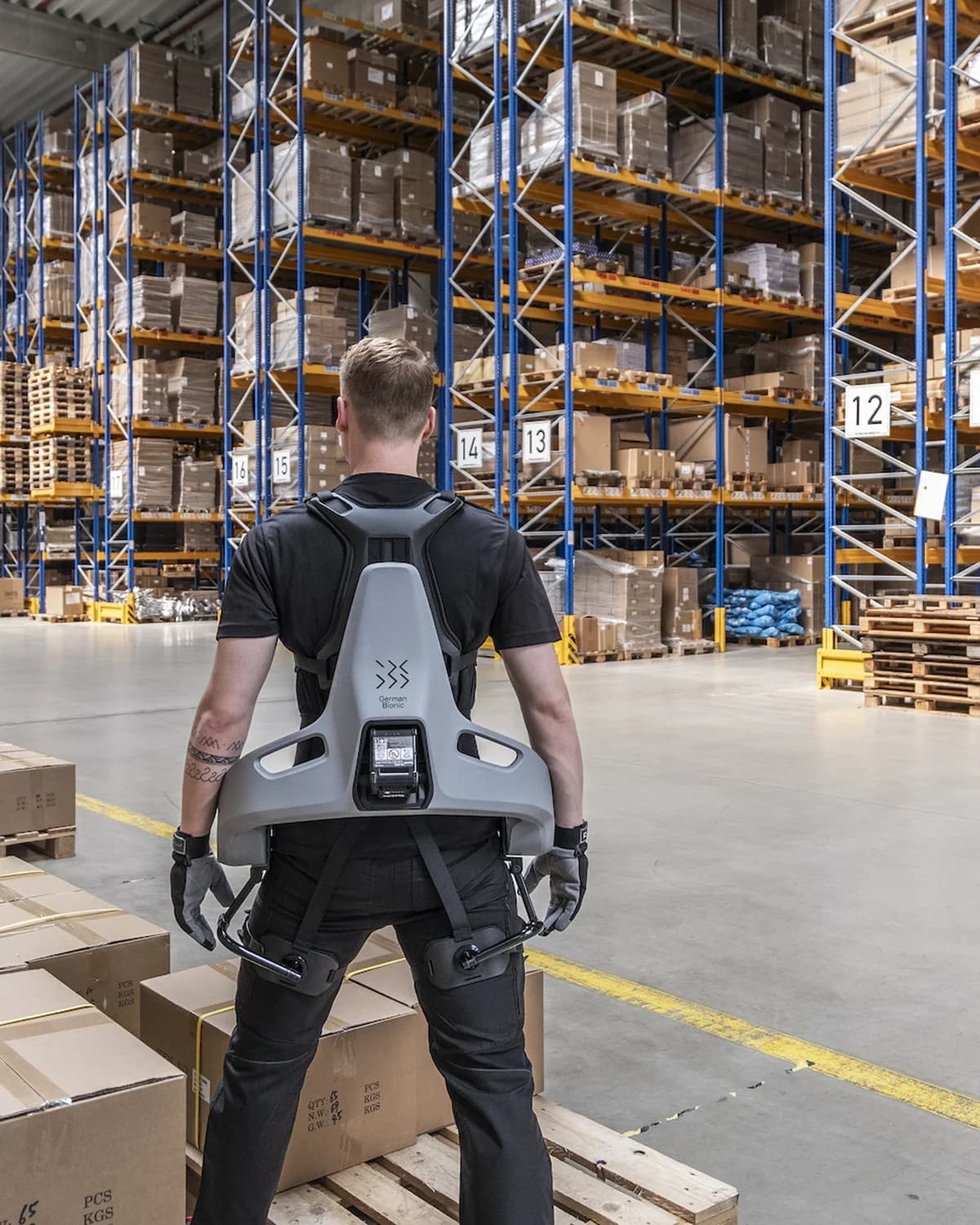
Quick answer: For waist-assist in logistics, the database holds three distinct options: Verve Motion SafeBoost (active soft exosuit, subscription, CE/ISO 13482), ULS Robotics H-WULF (passive, 3,600 USD indicative, CE, Asia-Pacific) and LG CLOi SuitBot (active, limited availability, Asia-Pacific, certifications unknown). The right choice hinges on whether you need active hip extension with fleet data, a low-cost passive waist assist, or a mobility-focused active device with limited commercial support.
This guide answers the commercial search intent for a waist-assist exoskeleton buyer's guide by focusing on the three systems in the ExoSelect logistics category that explicitly target waist or hip assistance. It does not rank them by preference; it compares documented specifications, exposes missing parameters that affect deployment, and states who should avoid each system. Every number below comes from the ExoSelect database; where a parameter is absent, it is marked Unknown, Not disclosed or Not applicable.
Key takeaways
- Only SafeBoost and H-WULF are positioned as waist-assist systems; CLOi SuitBot is a lower-body mobility assist with waist-adjacent support.
- SafeBoost is the only system with disclosed connectivity (cloud dashboard, fleet telemetry, Bluetooth) and ISO 13482 reference.
- H-WULF is the only system with a public indicative price (3,600 USD) and the highest disclosed lift support (30 kg) among passive options.
- Peak assist torque is unknown for SafeBoost and H-WULF; CLOi SuitBot discloses 25 Nm.
- Regional availability is a hard constraint: H-WULF and CLOi SuitBot are listed for Asia-Pacific only; SafeBoost covers North America and Europe.
Comparison table: documented specifications only
| Parameter | SafeBoost (Verve Motion) | H-WULF (ULS Robotics) | CLOi SuitBot (LG Electronics) |
|---|
| Drive | Active | Passive | Active |
| Weight | 2.2 kg | 3.8 kg | 5.5 kg |
| User weight limit | 115 kg | 100 kg | 100 kg |
| Height range | 155–195 cm | 160–190 cm | Unknown |
| Sizes | S–XL | Adjustable | Adjustable |
| Lift support | 15 kg | 30 kg | 30 kg |
| Assist force | 80 N | Unknown | Unknown |
| Assist torque | Unknown | Unknown | 25 Nm |
| Battery life | 8 h | Not applicable | 4 h |
| Charge time | 2 h | Not applicable | 2 h |
| Swappable battery | Yes | Not applicable | Yes |
| Connectivity | Cloud dashboard, fleet telemetry, Bluetooth | Not applicable | Unknown |
| Certifications | CE | CE | Unknown |
| Standards | ISO 13482 | Unknown | Unknown |
| Price | Undisclosed (subscription) | 3,600 USD indicative | Undisclosed |
| Availability | Subscription programme | Available on inquiry | Limited availability |
| Regions | North America, Europe | Asia-Pacific | Asia-Pacific |
| Warranty | 12 months | Unknown | Unknown |
Source: ExoSelect database, compiled from manufacturer documentation. See SafeBoost, H-WULF and CLOi SuitBot product pages for full records.
What the datasheet doesn't tell you
Three parameters are missing or unverified across the dataset, and each changes the procurement case.
Peak assist torque for SafeBoost and H-WULF is unknown. SafeBoost discloses 80 N assist force and H-WULF discloses 30 kg lift support, but neither gives a torque figure. Torque is the metric that determines whether the device actually reduces lumbar moment during a lift; without it, you cannot compare the two systems on biomechanical output, only on force or lift support. A buyer should request torque data from Verve Motion and ULS Robotics before any pilot.
H-WULF's standards reference and warranty are unknown. H-WULF carries CE marking, but the database does not record which standards it references (unlike SafeBoost, which lists ISO 13482). For a passive device, the relevant standard may be ISO 13482 or a machinery directive; the absence of a recorded standard means you cannot verify conformity assessment scope from the datasheet alone. Warranty is also unknown, which affects total cost of ownership for a 3,600 USD unit.
CLOi SuitBot's certifications, standards and height range are unknown. LG's device has no listed CE mark, no standards reference and no user height range. For a logistics buyer, the height range is a fit constraint: if it is not disclosed, you cannot confirm whether your workforce falls within the intended population. Certifications are a compliance gate in the EU and UK; without them, CLOi SuitBot is not deployable in those regions regardless of its 25 Nm torque.
These gaps are not cosmetic. They are the difference between a device you can specify in a tender and one you can only pilot under a development agreement.
Active vs passive: the trade-off the table reveals
The dataset shows a clean split. SafeBoost is active, 2.2 kg, 8 h battery, with cloud telemetry and a 15 kg lift support. H-WULF is passive, 3.8 kg, no battery, with 30 kg lift support and a 3,600 USD indicative price. The trade-off is not simply powered versus unpowered; it is data and adaptability versus simplicity and cost.
SafeBoost's connectivity (cloud dashboard, fleet telemetry, Bluetooth) is the only documented data layer in this set. For a logistics operator running multiple sites, that telemetry is the basis for utilisation tracking and programme management. H-WULF has no sensors and no connectivity, so its value is purely mechanical assistance at a known price. If your procurement case depends on demonstrating usage or ROI through data, H-WULF cannot supply it.
Conversely, SafeBoost's 15 kg lift support is half of H-WULF's 30 kg. That does not mean SafeBoost is weaker; lift support is not the same as assist force, and SafeBoost's 80 N assist force is a different metric. But a buyer comparing headline numbers should note that the two systems are not specified on the same axis. This is exactly the kind of mismatch that a generic top-10 list would miss.
Regional availability and compliance
SafeBoost is listed for North America and Europe, with CE marking and ISO 13482 reference. H-WULF and CLOi SuitBot are listed for Asia-Pacific only. For a European or North American logistics operator, that narrows the field to SafeBoost unless you are prepared to import and self-certify. Importing a CE-marked device from Asia-Pacific does not automatically satisfy EU conformity obligations if the manufacturer's declaration and technical file are not available; the database does not record whether ULS Robotics or LG Electronics provide EU declarations of conformity.
CLOi SuitBot's certification status is unknown, which is a red flag for any regulated procurement. Even in Asia-Pacific, a logistics buyer should request the certificate and standards list before committing to a pilot.
Total cost of ownership: what is disclosed and what is not
Only H-WULF has a public indicative price: 3,600 USD. That is a capital figure, not a total cost. Warranty is unknown, service network is not recorded, and spare parts availability is not in the dataset. For a passive device with no battery, the maintenance burden is lower, but the absence of warranty data means you cannot model post-warranty support.
SafeBoost is offered as a subscription programme; pricing is not public. A subscription converts capital expense to operating expense and typically bundles service and upgrades, but the database does not disclose the subscription term, inclusive service level or exit costs. Buyers should request a sample subscription agreement and model the three-year cost against a H-WULF capital purchase plus assumed maintenance.
CLOi SuitBot has no public price and limited availability. Without a price or lead time, it cannot be included in a budget-cycle comparison.
Who should not choose this
Do not choose SafeBoost if your primary need is maximum lift support at minimum cost and you do not value fleet data. At 15 kg lift support and an undisclosed subscription price, it is a data-enabled programme, not a low-cost passive aid. If you are a single-site operation with no telemetry requirement, the subscription model may add administrative overhead without a clear return.
Do not choose H-WULF if you operate outside Asia-Pacific, need documented standards beyond CE, or require usage data to justify the programme. The unknown standards reference and unknown warranty are material gaps for a tender. It is a credible low-cost passive option only if you can verify conformity and support locally.
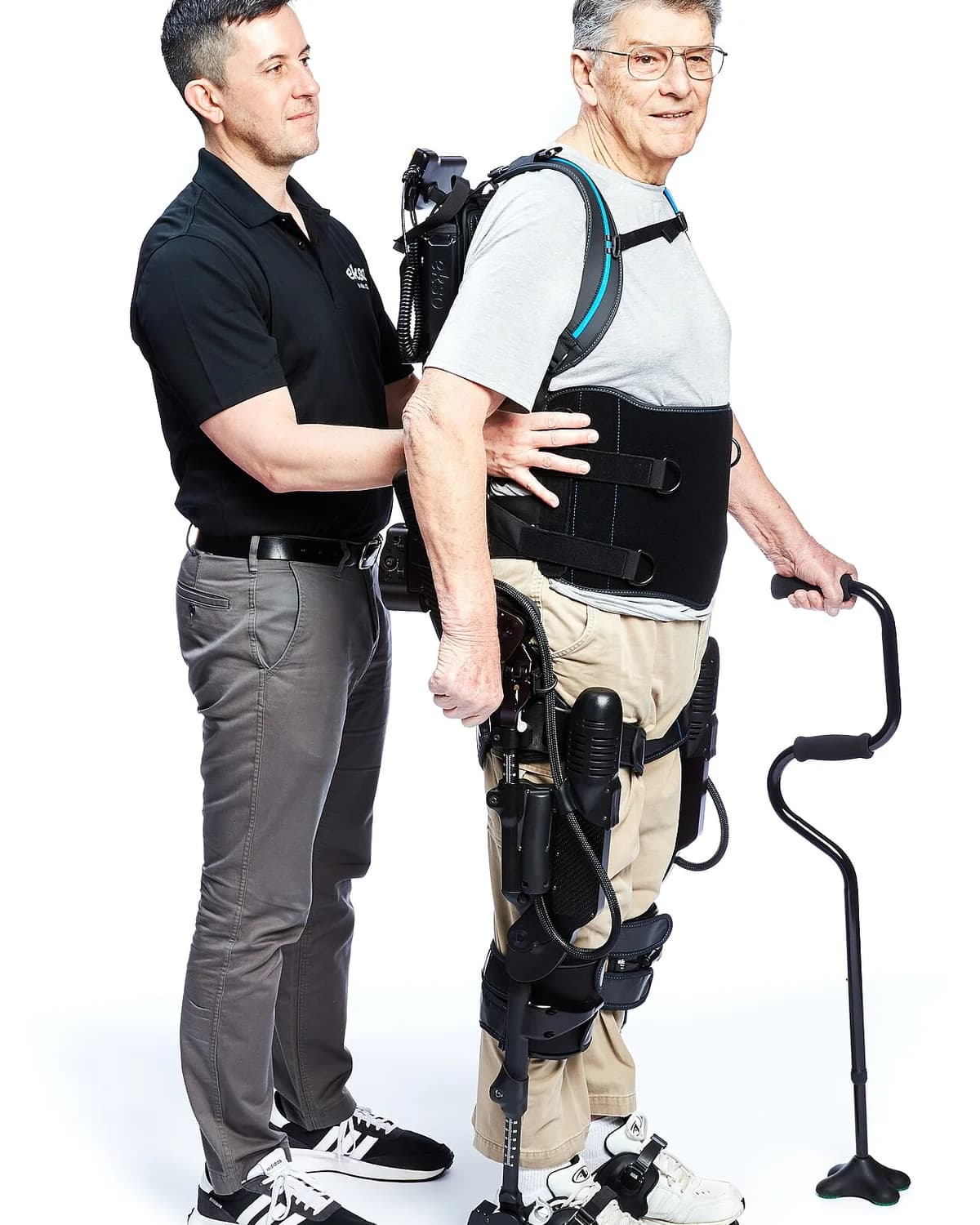
Do not choose CLOi SuitBot if you need a waist-assist device for lifting specifically. Its disclosed control modes are walking assist and standing assist, and its 1.5 km/h speed and 25 Nm torque suggest a mobility-oriented device. With unknown certifications and limited availability, it is not a procurement-ready waist-assist solution for logistics lifting.
FAQ
Which waist-assist exoskeleton has the highest disclosed lift support?
H-WULF and CLOi SuitBot both disclose 30 kg lift support. SafeBoost discloses 15 kg. However, lift support is not the same as assist torque, which is unknown for H-WULF and SafeBoost.
Is SafeBoost certified to ISO 13482?
The database lists SafeBoost with CE certification and ISO 13482 as the referenced standard. Buyers should request the certificate and declaration of conformity from Verve Motion to confirm scope.
Can I buy H-WULF in Europe?
The database lists H-WULF availability for Asia-Pacific only. European procurement would require import, conformity assessment and local support arrangements, none of which are recorded.
Next step
Request the peak assist torque figure and the full standards list for H-WULF from ULS Robotics, and the subscription term sheet from Verve Motion for SafeBoost. Then compare the two side by side using the ExoSelect compare tool or contact the selection desk for a documented parameter request template. For the full logistics category, see logistics exoskeletons.
 ExoSelect research